Addiction is no accident
*
Make it make sense
*
Addiction is no accident * Make it make sense *
Idahoans are growing up inside a system built to pull us into substance use. Corporations study our brains — how we think, what we fear, what makes us want to fit in. They've gotten very good at it.
If something doesn't make sense, ask why.
Why are we constantly being sold things that can hurt us? Who benefits? And why are so many of those messages aimed at young people?
We're not here to tell you what to think. We're here to show you how it works — so it's a lot harder to get played by it.
Make it make sense.
8 things worth understanding.
Scroll through on your own. Pick what matters to you. Each one is a short read — no lectures, no guilt trips. Just the information about today’s substance landscape so you can make your own decision.
How to talk about drugs
*
How to talk about drugs *
You don't have to have all the answers. Just show up. More than once.
Most parents think they've had the conversation. A lot of teens don't think they have. There's no script that guarantees they won't try something. But there is one thing that makes a real difference: you. Not perfect conversations. Not having all the answers. Just staying in it — even when it's awkward. When they're making decisions, you won't be there. But your voice can be.
1. Start with a question.
Ask what they're seeing, hearing, or wondering about. ("What are kids saying about vaping/weed/drinking at school?")
2. Listen more than you talk.
Stay curious. Resist the urge to jump straight into a lecture or correction.
3. Remember: it's not the same as when you were growing up.
You were a kid once, too — but not today. Listen first. Then share what you know.
4. Come back to it.
The best conversations aren't one big talk. They're a hundred little ones. Keep checking in — even if it's brief or awkward.
HOW’S THE CONVERSATION GOING?
We know the best conversations go both ways. Tell us what you’re talking about, what you’re hearing and what you wish someone would ask.


Make it make sense
You already know drugs exist.
What doesn't get talked about enough is why people reach for them in the first place.
Stress. Anxiety. Loneliness. Pressure to fit in. The need to escape. Companies know those feelings are real — and they've spent years learning how to turn them into profit.
Make it make sense.
This isn't about telling you what to do.
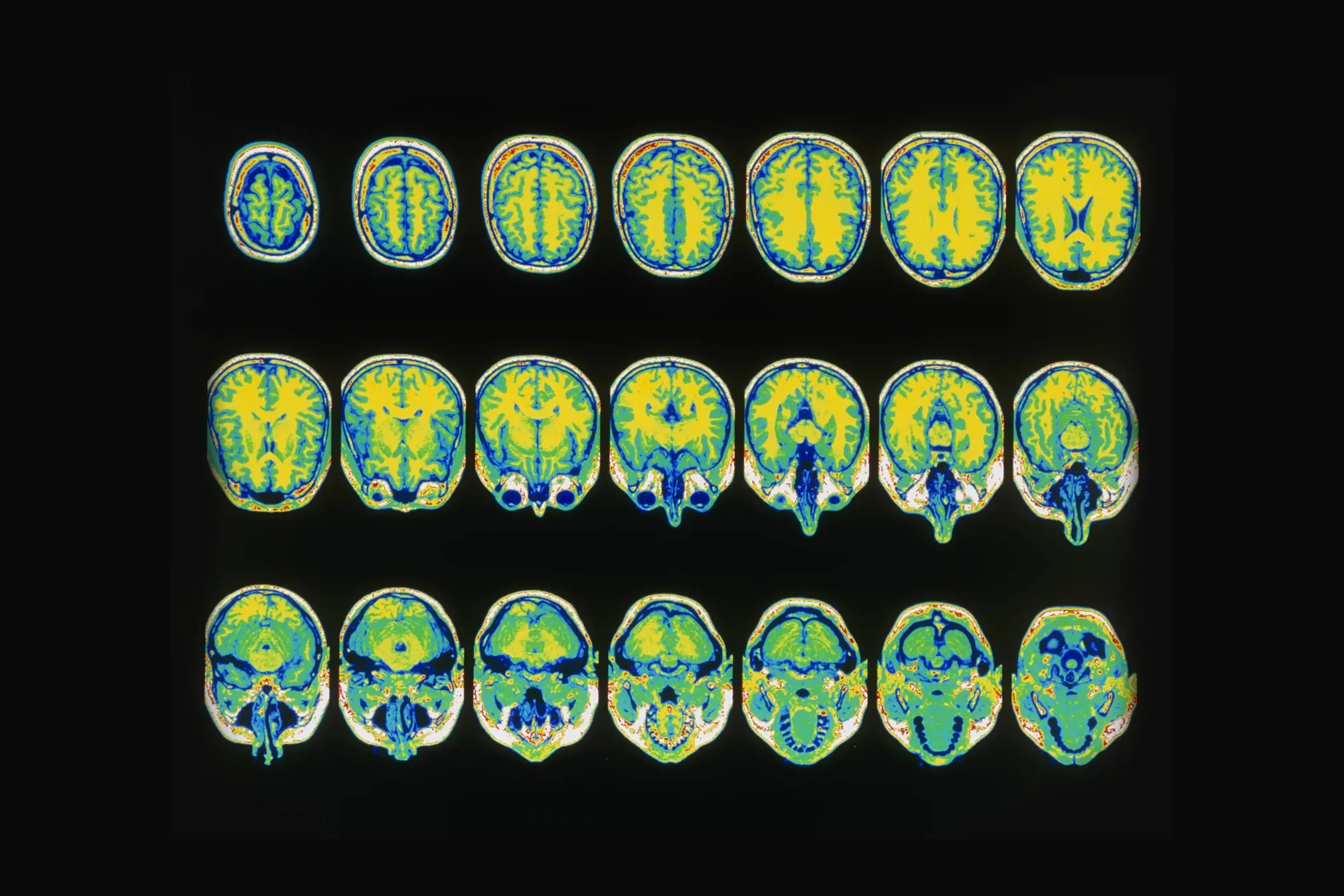
It's about understanding how your brain works, how mental health and substance use are connected, and how to recognize when someone is trying to profit from your attention, your emotions, or your choices.
Because once you can see the game, it's a whole lot harder to get played.

Why this matters
Idaho ranks #47 for youth mental health in the US
Fentanyl deaths have increased by 700% between 2020–2022
1 in 5 Idaho teenagers vape — twice the national average
Data: Idaho Governor's Office on Drug Policy · Idaho Fentanyl Education · Idaho Public Television
Welcome to the unaltered state
Idaho kids are facing significant challenges — isolation, a mental health crisis, and increasingly dangerous substances. This documentary doesn't look away. It helps us find better ways to make Idaho the best possible place for kids.
No wrong door. You don't have to figure this out alone.
Crisis resources. For everyone, at any time, free of judgment.
Text HOME to 741741
Call or text 988
1-800-662-4357
Get in Touch
Other Statewide Efforts
It takes more than a village, it takes a state to help guide our kids to substance-free futures. This is why we support and work in partnership with these other Idaho campaigns.